

Table of Contents
- Why Pre-Market Improvements Matter in Divorce Real Estate Sales
- Home Improvements That Increase Resale Value: Prioritizing High-Return Updates
- Pre-Sale Home Repairs: What Gets Done Before Listing
- Sell House As-Is vs. Make Repairs: A Cost-Benefit Framework
- Consent and Marital Funds: Legal Considerations Before Spending
- Documenting Home Improvement Expenses During Divorce
- Coordinating Improvements With Your Real Estate Professional
- Frequently Asked Questions
Last Updated: October 12, 2026
Why Pre-Market Improvements Matter in Divorce Real Estate Sales
When a family home goes on the market during divorce proceedings, every dollar counts, which is why pre-market home improvements are strategically planned.
At Realty Executives Elite Homes, we’ve guided clients through divorce sales in the area.
This matters because divorce settlements hinge on property valuation. If the home appraises low, both parties lose.
Below, we’ll show you exactly which improvements deliver real value, how to time them around appraisals and court deadlines, and how to document everything so your settlement reflects the actual work done.
Home Improvements That Increase Resale Value: Prioritizing High-Return Updates
Not all improvements carry equal weight in the appraisal. Some deliver strong returns. Others eat cost without moving the needle. The best pre-market strategy focuses on visible, functional upgrades that buyers and appraisers notice immediately.
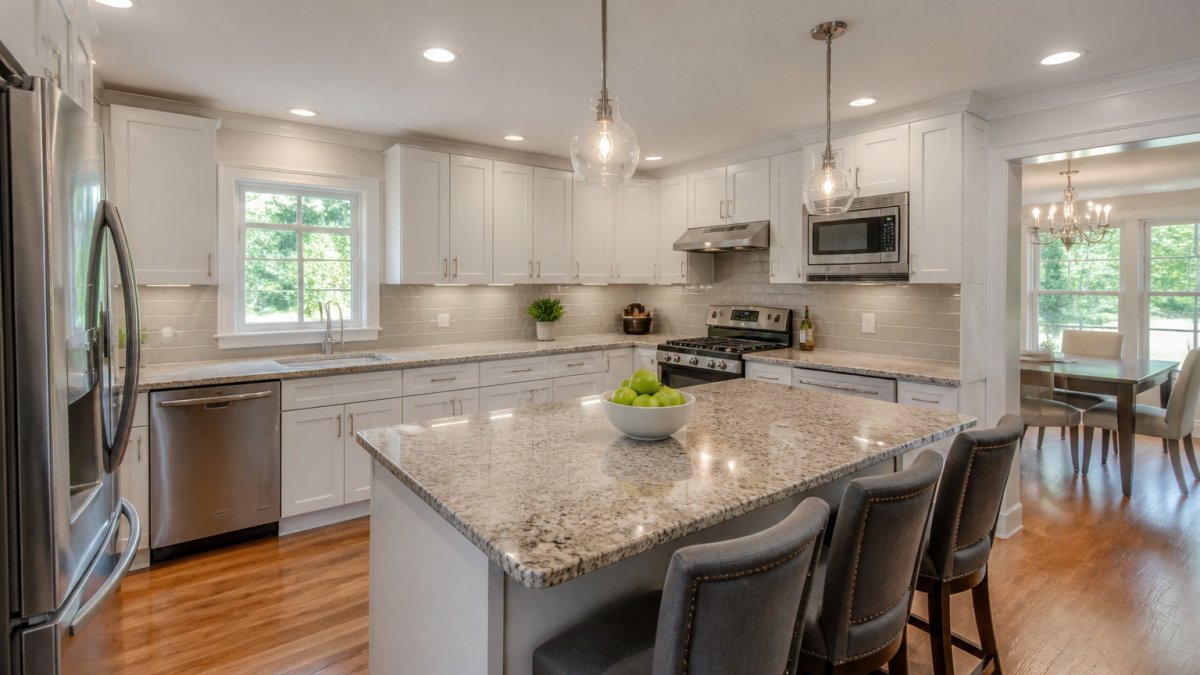
Kitchen and Bathroom Updates
Kitchens and bathrooms are the two rooms that influence appraisals most heavily. A dated kitchen reads as expensive future work. A modern one signals the home is move-in ready.
Focus on visible upgrades:
- Replace cabinet hardware and drawer pulls (low cost, high impact)
- Update countertops to granite or quartz
- Install new faucets and lighting fixtures
- Refresh cabinet paint or refinish doors
- Replace old appliances with stainless steel
Bathrooms follow the same logic. New fixtures, fresh grout, updated vanities, and modern lighting matter far more than structural changes. A single updated bathroom often influences appraisal more than a half-finished renovation in an unused space.
The rule: prioritize what appraisers and buyers see first. Hidden improvements rarely move the dial.
Curb Appeal and Exterior Repairs
The front of the home sets the tone. A fresh front door, clean landscaping, and well-maintained exterior can shift buyer perception before they step inside.
High-impact curb improvements:
- Paint the front door a modern color
- Power wash siding, driveway, and walkways
- Trim overgrown landscaping and mulch beds
- Replace house numbers and mailbox
- Add fresh landscaping plants or flowers
- Repair visible roof damage or missing shingles
- Seal or paint a worn driveway
Curb appeal is particularly important in divorce sales because the home must attract multiple offers. Buyers form opinions in seconds. A neglected exterior signals neglect throughout the home.
Interior Paint and Flooring
Fresh paint transforms a space without major expense. Neutral colors, soft whites, warm grays, pale beige, appeal to the widest buyer pool. Bold accent walls or trendy colors can actually reduce appraisal value because they narrow the market.
Flooring carries similar weight. Refinished hardwood floors read as premium. Worn carpet signals replacement costs ahead. If hardwood exists under carpet, refinishing often justifies its cost. New carpet in neutral tones works when hardwood isn’t an option.
Paint and flooring are among the best pre-market investments because they’re visible, relatively affordable, and directly influence how buyers perceive the home’s condition.
Pre-Sale Home Repairs: What Gets Done Before Listing
The distinction between repairs and improvements matters legally and financially. Repairs restore function. Improvements add value or appeal. In divorce, both require consent and documentation.
Essential Repairs vs. Nice-to-Have Updates
Essential repairs are those that affect the home’s safety or structural integrity. An inspector will flag them. The appraisal will reflect them. Buyers will demand credits or price reductions if they’re not addressed.
Essential repairs include:
- Roof leaks or missing shingles
- Electrical hazards or non-functioning outlets
- Plumbing issues (leaks, low water pressure)
- HVAC failures or non-functional heating/cooling
- Foundation cracks or water intrusion
- Broken windows or damaged frames
- Mold or moisture damage
Nice-to-have updates are cosmetic or convenience-based. They improve appeal but aren’t deal-breakers. Examples: cabinet refacing, light fixture upgrades, paint, landscaping, or new appliances.
The strategy: complete essential repairs before appraisal. Skip nice-to-haves if marital funds are limited or if consent is uncertain. A home with solid bones and fresh paint outsells one with fancy upgrades and hidden defects.
Timing Repairs Around Appraisal and Listing
The appraisal is the critical moment. The appraiser inspects the home and assigns a value. That value becomes the benchmark for settlement negotiations. Repairs completed before appraisal are reflected in the final value. Repairs after appraisal don’t influence it.
Timing strategy:
- Complete essential repairs first (6-8 weeks before appraisal)
- Address visible cosmetic work next (4-6 weeks before appraisal)
- Schedule appraisal after all work is finished
- List after appraisal confirms improved value
- Use appraisal value in settlement as evidence of work done
This sequence protects both parties. The appraisal documents the home’s condition after improvements. The appraiser’s professional assessment becomes neutral evidence in settlement discussions.
If repairs continue after appraisal, they won’t influence the appraised value, and they may not influence the sale price either. Timing matters.
Coordinate with your real estate professional on the appraisal schedule before starting repairs. The wrong timing can mean spending money that doesn’t show up in the final valuation.
Sell House As-Is vs. Make Repairs: A Cost-Benefit Framework
Not every home benefits from pre-market repairs. Sometimes selling as-is, with an adjusted price, makes more financial sense. The decision depends on repair costs, market conditions, and how quickly the home needs to sell.
When to Skip Repairs and Price Accordingly
Selling as-is works when:
- Repairs cost more than the value they’d add
- The home is in a declining market where improvements won’t recoup costs
- The sale timeline is compressed and repairs would delay listing
- Major structural work is needed (foundation, roof, electrical system overhaul)
- Marital funds are limited and both parties want to avoid additional spending
In these cases, price the home competitively to account for the work a buyer will need to do. The appraiser will note deferred maintenance. The price reflects it. This approach is honest and often faster than attempting repairs that won’t move the needle.
Selling as-is also protects against disputes over how marital funds were spent. If no improvements are made, there’s nothing to argue about.
When Repairs Pay for Themselves
Repairs justify their cost when:
- The home is in a strong market where buyers compete for inventory
- The improvements address visible, deal-breaking issues (roof, paint, appliances)
- The work is cosmetic or functional, not structural
- The timeline allows repairs to be completed before appraisal
- Both parties consent to the spending
In hot markets, a home that’s move-in ready commands a premium. Buyers pay more for certainty. They avoid the hassle and expense of hiring contractors. A fresh kitchen or updated bathrooms can justify thousands in repair costs through a higher sale price.
The rule: repairs pay for themselves in strong markets with clear, visible improvements. They struggle in weak markets or when work is hidden or structural.
Avoid major structural repairs before divorce settlement. Large expenses on marital property can create disputes over who benefits financially. Stick to cosmetic work and essential fixes that prevent further damage.
Consent and Marital Funds: Legal Considerations Before Spending
This is where many divorces hit friction. One spouse wants to improve the home. The other questions whether marital funds should be spent on a property that’s about to be divided. Without agreement, spending can become evidence in settlement disputes.
Before any improvement is made, both parties should agree in writing on:
- Which improvements will be done
- Who authorizes the spending
- How much will be spent
- Whether costs are reimbursed from sale proceeds or split before division
This agreement protects both spouses. It prevents one party from claiming later that funds were wasted or spent without consent. It also ensures the appraisal reflects agreed-upon improvements, not disputed ones.
If agreement can’t be reached, the safer path is to skip improvements and let the appraisal reflect the home’s current condition. The settlement can then account for deferred maintenance.
Get written consent before spending marital funds on improvements. The agreement should specify which work will be done, the budget, and how costs will be handled in settlement. This prevents disputes and protects both parties.
Documenting Home Improvement Expenses During Divorce
Every dollar spent on improvements should be documented. The appraisal, the settlement, and future disputes may all hinge on proof of what was actually done and what it cost.
What Records to Keep
For each improvement, maintain:
- Contractor invoices with itemized work and costs
- Receipts for materials and supplies
- Before-and-after photos of each improvement area
- Permits or inspections (if required by local code)
- Warranty information for new appliances or systems
- Credit card or bank statements showing payment
Organize these by improvement type: kitchen, bathrooms, paint, flooring, exterior, repairs. The appraiser may request documentation. The other spouse may challenge costs. Clear records answer both.
Photos are especially important. They show what was actually done. A contractor invoice alone doesn’t prove the work was completed to quality. Photos do.
How Documentation Affects Settlement and Net Proceeds
In settlement, the appraised value reflects improvements. But if the other spouse questions whether improvements were actually made, documentation becomes evidence. Clear records prevent disputes and support the appraisal value.
Documentation also matters for net proceeds calculations. If one spouse claims improvements cost more than they actually did, the other spouse can challenge it with receipts. Accurate records ensure each party understands the true cost of sale.
Keep all records until the sale closes and settlement is final. They’re the proof that improvements were made with marital funds, completed as agreed, and reflected in the final appraisal and sale price.
Coordinating Improvements With Your Real Estate Professional
Pre-market improvements shouldn’t happen in isolation. Your real estate professional has seen dozens of homes sell in your market. They know which improvements move appraisals and which ones don’t.
At Realty Executives Elite Homes, we help clients navigate this entire process.
The professional relationship also matters during divorce sales. A real estate professional experienced in family law situations understands the sensitivities. They can facilitate communication between spouses and their attorneys.
Your real estate professional should also help you understand local market conditions. Whether you’re looking to Sell Your Home in Nutley or explore Buying A Home in Nutley, our team can guide you through the process with the same attention to detail and market expertise we bring to every transaction.
Selling a family home during divorce is never simple. But strategic pre-market improvements, made with consent and documented carefully, can increase the appraised value and help both parties reach a fair settlement.
Frequently Asked Questions
Which home improvements add the most value before selling during a divorce?
Kitchen and bathroom updates typically return 50-80% of their cost at sale, making them strong investments. Fresh interior paint, updated flooring, and curb appeal improvements like landscaping and a new front door are also high-value, lower-cost options. Focus on improvements that appeal to broad buyer preferences rather than personal upgrades. Your real estate professional can assess your specific market and home to recommend the highest-return improvements for your situation.
How should spouses document home improvement expenses during a divorce?
Keep all receipts, invoices, contractor agreements, and payment records in a single folder. Photograph the work before and after completion. Maintain a spreadsheet listing each improvement, date completed, contractor name, and total cost. If improvements were made with marital funds, document which account paid for them. This documentation directly affects the property’s net proceeds calculation in settlement negotiations and ensures both parties have clear evidence of what was spent and why.
Is it better to sell a house as-is or make repairs first during a divorce?
The answer depends on repair cost versus likely sale price reduction. Major structural or safety issues (roof, foundation, electrical) usually justify repair before listing because buyers will demand steep discounts if they’re present. Cosmetic repairs and updates often pay for themselves through faster sales and higher offers. However, if carrying costs, contractor delays, or marital tension make repairs impractical, pricing the home lower as-is may be faster and less disruptive. Your real estate professional can model both scenarios with comparable sales data.
Do both spouses need to agree before making pre-market improvements when selling a family home in divorce?
Yes, it’s strongly advisable. Any improvements made to marital property typically affect the property’s value and the net proceeds available for division. Spending significant sums without agreement can create legal disputes and delay the sale. Courts generally expect both parties to act in good faith regarding shared assets. Before any major repairs or updates, discuss the plan with your spouse and document their consent. If you cannot agree, your attorney or mediator can help establish a framework.